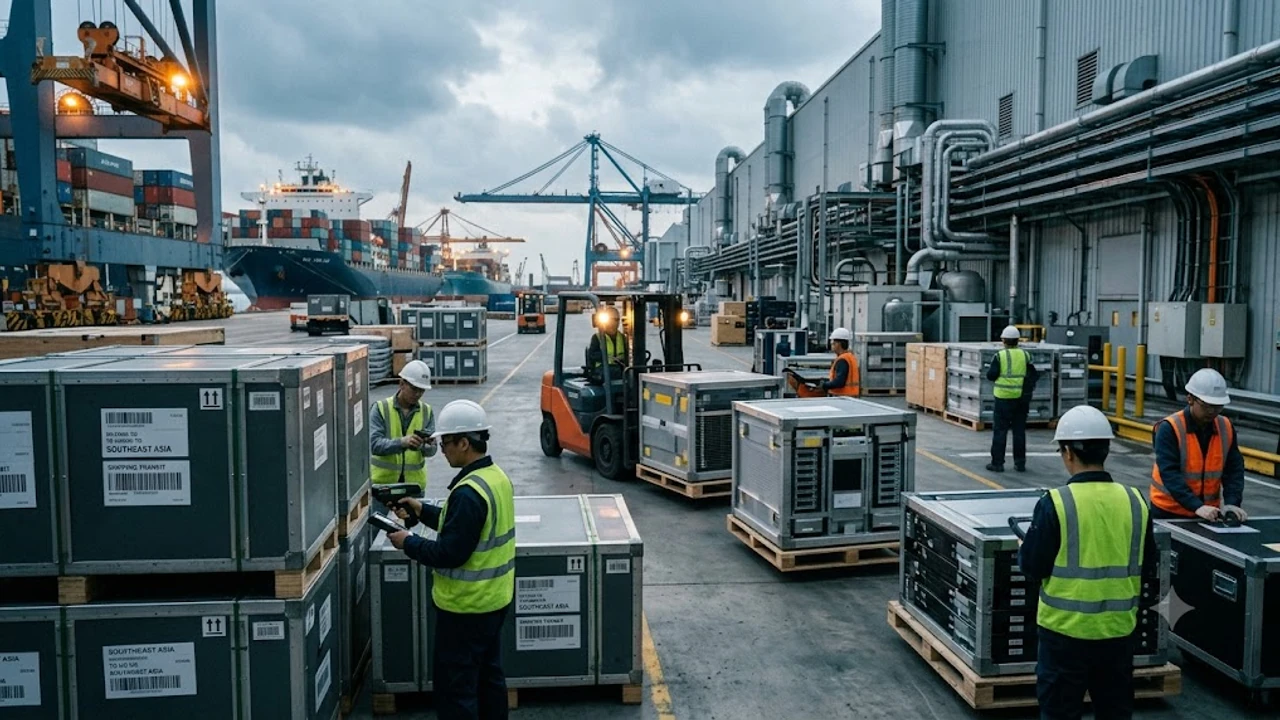
The emergency G7 diesel release of 100 million barrels finalized on October 2, 2026, marks the most aggressive coordinated intervention in physical energy markets since the 2022 Russian invasion of Ukraine. Facing dangerously depleted distillate inventories across Europe and North America, Group of Seven energy ministers and the International Energy Agency activated this reserve tap to suppress a winter fuel shock. Yet, trading desks and refinery engineers recognize that offloading emergency stockpiles onto physical exchanges treats superficial price spikes while leaving structural shortages across global refining units and maritime shipping lanes completely exposed.
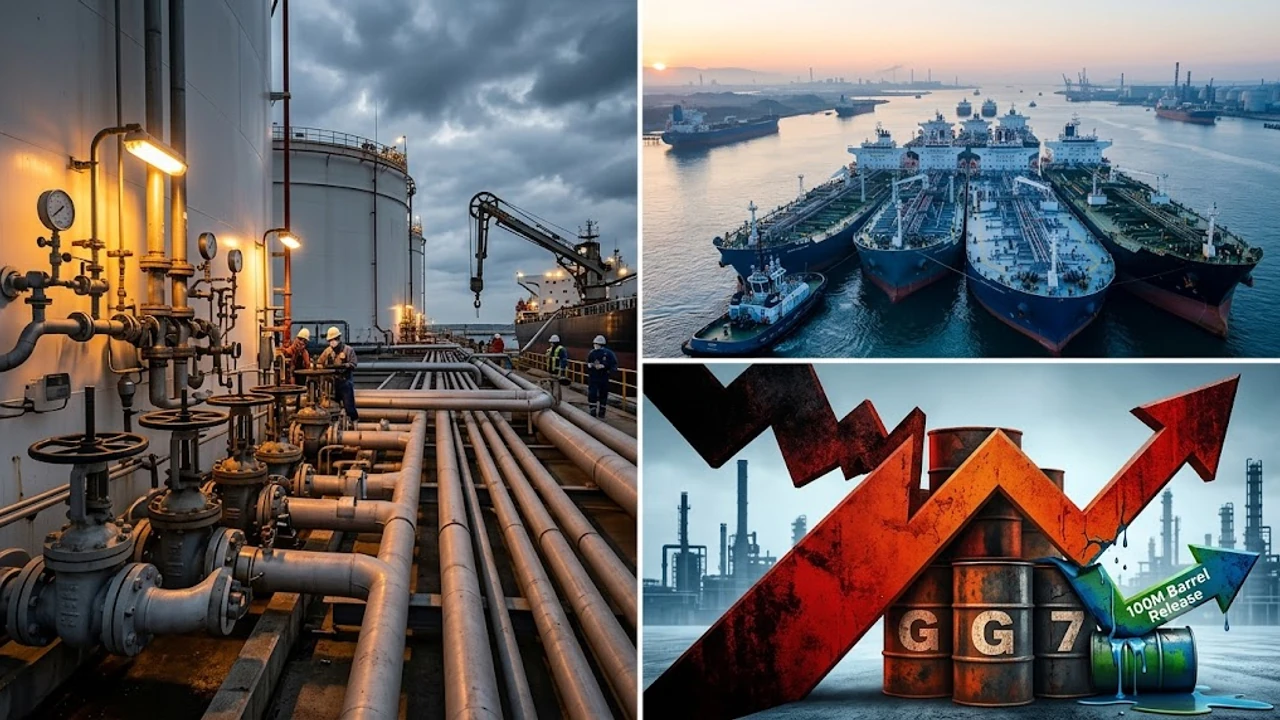
Behind the G7 Decision: Anatomy of the 100M Barrel Strategic Release
The Coordinated G7 and IEA Emergency Mechanism
The October accord mobilizes strategic reserves across a disciplined 120-day delivery window among member nations. The United States supplies 45 million barrels directly from its Strategic Petroleum Reserve (SPR), European members commit 35 million barrels from state-mandated commercial reserves, and Japan alongside the United Kingdom delivers the final 20 million barrels. Rather than offloading unrefined heavy sour crude indiscriminately, the emergency mandate prioritizes light-sweet feedstock and finished middle distillates to feed coastal refinery units immediately.
Participating agencies will stage weekly public tenders through January 2027. Unlike rhetorical market interventions that dissipate within trading sessions, this physical transfer targets the immediate surge in heating oil futures, which jumped 34% across Northwest Europe in September alone.
Distillate Scarcity vs. Crude Volume: Why Diesel Took Center Stage
The global energy market is not starved of raw crude petroleum; it is starved of refined middle distillates. Diesel, gasoil, and jet fuel run modern transport networks, farm equipment, heavy industrial boilers, and container fleets.
The benchmark European low-sulfur gasoil crack spread—the gross margin refiners earn by converting raw crude into usable diesel—blew out past $46 per barrel in late September. Dumping unrefined crude into coastal tank farms does not magically produce low-sulfur diesel when downstream hydrocracking and catalytic dewaxing units are already operating at redline capacity. This technical bottleneck exposes the fundamental limitation of the G7 plan: physical refineries cannot process reserve crude fast enough to close the crack-spread deficit before freezing temperatures set in.
How the Threat of a U.S. Export Ban Forced Europe’s Hand
The catalyst behind the accelerated Brussels summit was a direct political threat originating in Washington. Facing retail diesel prices approaching $5.20 per gallon ahead of the November midterm elections, the White House threatened emergency executive powers under the Energy Policy and Conservation Act to curb refined product exports out of the U.S. Gulf Coast.
Because European import terminals absorb roughly 1.1 million barrels per day of clean refined products from North America to offset the structural loss of Russian pipeline feeds, an American export freeze would have mandated immediate fuel rationing across Germany, France, and the Netherlands. To keep transatlantic supply arteries flowing, European capitals agreed to draw down their own sovereign stockpiles in a shared sacrifice pact.
Structural Bottlenecks: Why Emergency Barrels Won’t Cure the Shortage
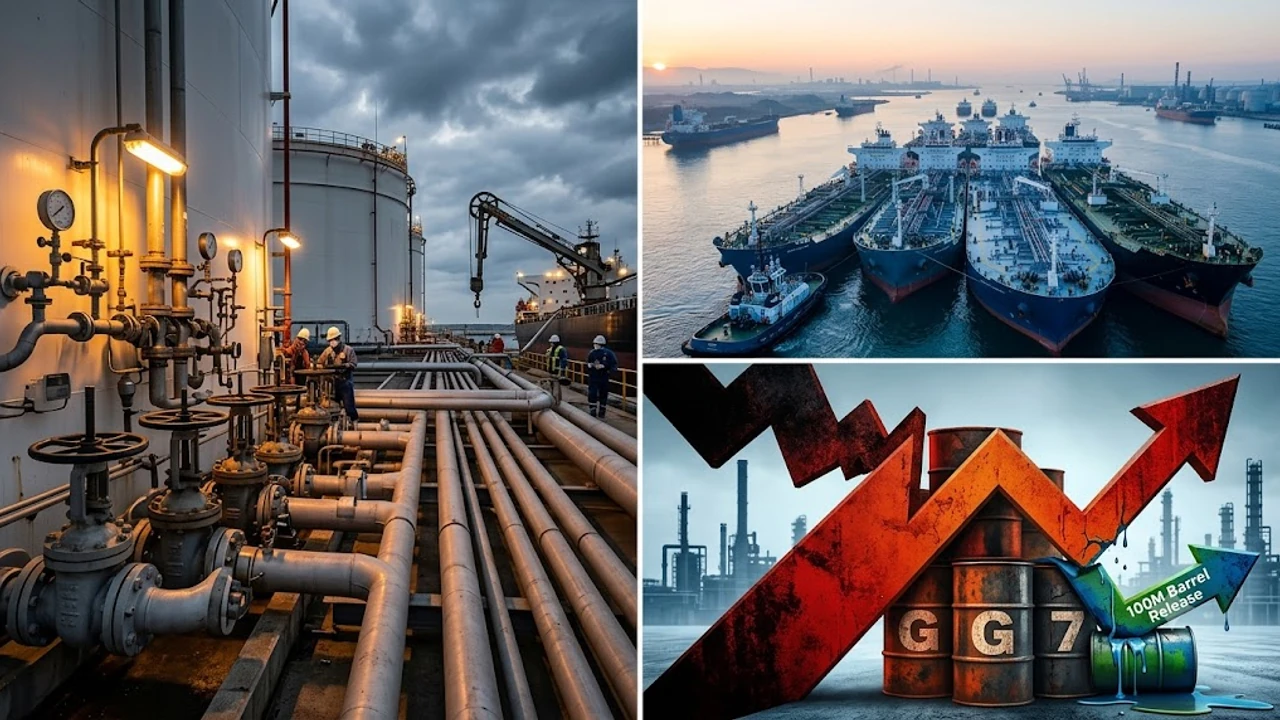
Refining Capacity Deficits and Sanction-Driven Supply Cracks
The root constraint throttling global supply is a chronic shortage of secondary conversion units. The downstream industry has shuttered more than 4 million barrels per day of operable distillation and hydrocracking capacity since 2020 due to facility retirements, environmental plant overhauls, and strict ESG capital rationing.
Sanctions on Russian intermediate feedstocks stripped roughly 700,000 barrels per day of high-yield vacuum gas oil (VGO) and straight-run diesel components out of Atlantic Basin blending pools. Complex European hydrocrackers require these specific medium-density inputs to yield premium diesel. Replacing them with light-sweet crude from national reserves produces an excess of light naphtha and gasoline—products the market already has in surplus—while doing little to alleviate the heavy-duty distillate squeeze.
This growing misalignment between aggressive political interventions and stubborn industrial hardware parallels the supply-chain vulnerabilities analyzed in US Secondary Tariffs 2026: 3 Tech Supply Chain Impacts, where regulatory mandates crash directly into hard manufacturing bottlenecks.
Global Shipping Chokepoints and Winter Inventory Trajectories
Moving refined hydrocarbons across maritime routes faces severe logistics friction. Compounded draft restrictions through the Panama Canal alongside prolonged security diversions away from the Red Sea have stretched voyage durations from the U.S. Gulf Coast and the Arabian Gulf by 12 to 18 full days.
Clean product tankers, particularly Medium Range (MR) and Long Range (LR) hulls, command charter rates exceeding $52,000 per day. With commercial vessels forced to circumnavigate the Cape of Good Hope, millions of barrels of diesel remain stranded at sea rather than discharging into inland terminal storage. European inventories sit at 68% of capacity entering October—far below the historical five-year seasonal average of 82%. Strategic reserves injected into transit corridors that take four weeks to clear discharge queues cannot arrive in time to soften the first major cold front.
Temporary Price Relief vs. Persistent Underlying Demand Pressures
Historical reserve taps consistently demonstrate that artificial supply injections create short pricing pauses rather than sustained downward trends.
| Metric / Dimension | Immediate Impact (1–14 Days) | Structural Reality (30–90 Days) |
|---|---|---|
| Gasoil Crack Spread | Compresses by $4–$6/bbl | Widens again as processing limits cap output |
| Global Distillate Inventories | Brief uptick in major port terminals | Depleted sovereign buffers restrict future crisis policy |
| Freight Day-Rates (MR Tankers) | Regional charter demand spikes | Sustained elevated freight rates from extended voyages |
| Commercial Buyer Behavior | Deferred procurement hedges | Accelerated spot restocking ahead of strategic reserve expiration |
While prompt-month Brent contracts dipped 3.2% within hours of the G7 press conference, forward futures curves remained locked in steep backwardation. Prompt physical delivery commands a steep premium over later contracts, signaling that industrial buyers expect supplies to tighten even further once emergency taps close in early 2027.
Strategic Repercussions for South Korea and the Asia-Pacific Corridor
Korean Refiners Caught Between Crack Spreads and Crude Import Costs
South Korea houses four of the planet’s largest and most technologically sophisticated downstream refining hubs: SK Innovation in Ulsan, GS Caltex in Yeosu, S-Oil in Onsan, and HD Hyundai Oilbank in Daesan. Together, they command a combined crude processing capacity exceeding 3.3 million barrels per day. The G7 release triggers a double-edged dynamic across Korean operations.
On one front, Korean refiners profit handsomely from blowout crack spreads by exporting ultra-low sulfur diesel across Australia, Southeast Asia, and the broader Pacific Rim. On the other front, procurement costs for incoming crude remain elevated due to stubborn tanker premiums and elevated Middle Eastern Official Selling Prices (OSPs).
“Refining margins look exceptional on paper, but when shipping detours and Middle East sour crude surcharges tack an extra $6 to landed barrels, true net refining margins shrink rapidly,” cautions an internal procurement bulletin from a major Yeosu refinery.
These critical maritime vulnerabilities along Middle Eastern sea lanes reflect the strategic pinch points examined in U.S.–Iran Standoff & The Strait of Hormuz: August 2026 Global Flashpoints, underscoring how disruptions in distant corridors directly penalize East Asian export margins.
Export Competitiveness and Industrial Logistics Vulnerabilities
South Korea’s export engine relies on road freight and diesel-powered infrastructure. The domestic logistics ecosystem, operated by independent truckers and fleet carriers hauling containers to and from Busan and Gwangyang ports, bears the brunt of high distillate prices.
Even with ongoing national fuel tax waivers, inland container trucking surcharges rose 14% quarter-over-quarter. Essential industrial operations—such as heavy shipbuilding gantry operations, petrochemical cracking furnaces, and automotive manufacturing lines—rely on diesel-powered thermal systems and auxiliary generators. Higher distillate prices translate straight into inflated finished-goods pricing, chipping away at the export price advantage of Korean industrial machinery and components abroad.
Energy Security Alignment: The Trilateral Supply-Chain Test
The emergency release forces South Korea into a complex diplomatic spot. Although not a G7 member, Seoul participates in the IEA and maintains an emergency petroleum reserve holding roughly 96 million barrels of government crude alongside mandatory commercial buffers.
Washington and Tokyo have explored bilateral framework agreements to borrow prompt diesel stocks from Korean commercial storage to support U.S. Pacific logistical positions should shortages spike further. South Korea’s Ministry of Trade, Industry and Energy (MOTIE) must carefully balance commitments to international security partnerships against the imperative to shield its own domestic manufacturing base from sudden inventory crunches.
Global Market Scenarios: What Traders and Industries Must Watch Next
Brent and Gasoil Price Trajectories Over the Next 90 Days
Institutional trading desks across Singapore, London, and New York are positioning for a two-tier market reaction through the fourth quarter:
- Headline Price Suppression: Between October 10 and November 15, physical crude influxes will likely keep Brent benchmark prices capped between $78 and $83 per barrel, projecting a deceptive appearance of market calm.
- The Distillate Squeeze: Crack spreads will decouple from headline crude. Low-sulfur gasoil is set to stay pinned above $38 per barrel over crude benchmarks because merchant refiners simply cannot push refinery utilization past 94% without risking severe operational outages.
- The Post-Release Void: Once strategic volumes hit terminal racks by late December, nations will enter deep winter with depleted emergency reserves, leaving fuel markets exposed to sharp spikes if cold weather hits in January and February 2027.
Policy Reactions from OPEC+ and Non-G7 Producers
The OPEC+ response will dictate whether the G7 tap stabilizes fuel markets or accelerates retaliatory supply cuts. Core oil producers view the deployment of strategic reserves as an aggressive effort to suppress pricing fundamentals.
Gulf producers have expressed no intention of boosting crude production quotas to refill depleted Western strategic inventories. By keeping 2.2 million barrels per day in voluntary output reductions locked in place, OPEC+ effectively cancels out the addition of the G7 release, establishing a price floor rather than permitting an extended market slide.
Enterprise Playbook: Hedging Freight and Fuel Volatility Through Q4
Industrial enterprises and freight managers cannot afford to treat the G7 intervention as an all-clear signal. Companies running freight, marine shipping, or heavy manufacturing operations should execute three immediate risk-mitigation measures:
- Locking Forward Gasoil Swaps: Fleet operators should exploit temporary price dips caused by initial reserve releases to secure fixed-price gasoil swap contracts covering fuel consumption for the first half of 2027.
- Securing Clean Bunkering Commitments: Marine logistics teams must pre-contract secondary port fueling options to avoid spot-market premium spikes at major international maritime hubs.
- Restructuring Fuel Surcharge Pass-Through Formulas: Shippers and manufacturers must audit vendor agreements to place firm ceilings on variable fuel surcharge escalations tied to regional retail indices.
To keep operations running smoothly and track equipment or logistics data accurately during periods of volatile fuel costs and supply shifts, reliable industrial gear and logistics tools are essential for field operators: 관련상품 쿠팡에서 보기
#GlobalTrends #EnergyCrisis #G7 #DieselShortage #CrudeOil #RefiningCapacity #SouthKorea #SupplyChain2026